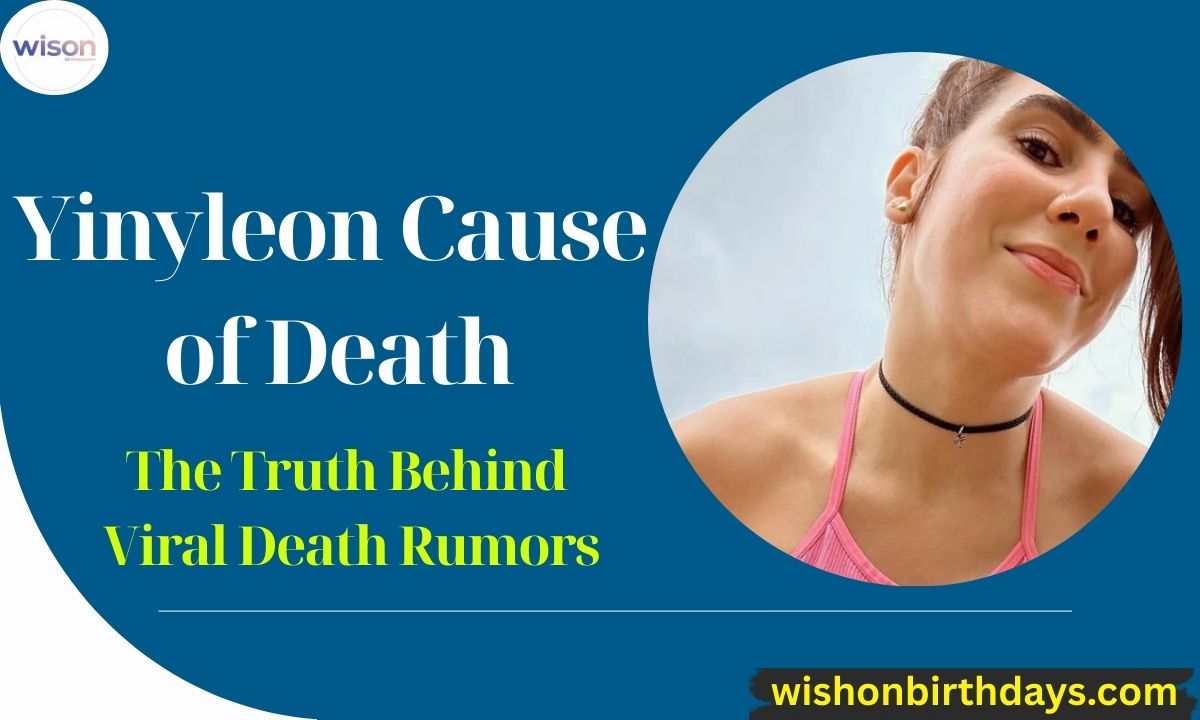
The internet is full of shocking news and rumors, and one of the most viral stories recently is about Yinyleon’s supposed death. Many fans panic when they hear such news online without verification, which is why false information spreads so fast. Social media platforms like TikTok, Instagram, and Twitter play a major role in amplifying these rumors, as shocking content tends to attract attention quickly.
In reality, most of the claims about Yinyleon’s death are completely false, and it is important to understand how and why these rumors started.Rumors about celebrity deaths are not new, and Yinyleon’s case is another example of how misinformation can create widespread panic. People often share content without checking its authenticity, which can make a story go viral within hours.
Even small posts or videos can gain massive traction if they include alarming statements or fake news about a beloved public figure. Understanding the psychology behind this phenomenon helps fans stay calm and informed rather than falling prey to panic.
The Viral Death Hoax: Learn More About Yinyleon Cause of Death Rumors
Social media allows news to travel at lightning speed, but unfortunately, not all news is real. The rumor about Yinyleon’s death spread across TikTok, Twitter, and Instagram almost instantly. Fans shared posts and videos claiming that Yinyleon had passed away, creating panic among followers who did not verify the news. Viral content often spreads faster than the truth because people are drawn to shocking information, and this is exactly what happened with Yinyleon’s death rumor.
The original posts were often short and sensational, making them easy to consume and share. TikTok videos, memes, and tweets exaggerated the story, making it seem real to unsuspecting fans. Many users believed these rumors because they saw multiple accounts repeating the same story. The lack of immediate official response allowed the misinformation to gain more traction, which is a common pattern in celebrity death hoaxes.
It is essential for fans to pause before sharing shocking news. Social media algorithms promote engagement, and posts about a celebrity’s death tend to get more likes, shares, and comments. By taking time to check credible sources, fans can prevent themselves from spreading false information further. Verification from trusted news sites and official statements from Yinyleon’s representatives is the only way to know the truth.
False Yinyleon Death Claims: Broken Down
Several death claims about Yinyleon appeared online, but none of them were true. The rumors ranged from sudden accidents to health issues, but every single one was fabricated. The motivation behind these false claims is usually attention and clicks. Social media users often share content without verifying facts, which contributes to the rapid spread of misinformation.
The false claims about Yinyleon included stories about car accidents, tragic events, and serious illnesses. Each story seemed convincing to some fans because they appeared on multiple platforms, but in reality, these were carefully crafted hoaxes. People tend to trust what they see online, especially when it is repeated multiple times by different accounts, which makes the rumor seem credible even when it is entirely false.
The best way to deal with such rumors is to ignore unverified posts and wait for official announcements. Verified accounts and reputable news outlets are reliable sources that can confirm or deny such claims. Believing everything online without verification can lead to emotional distress, anxiety, and unnecessary panic among fans. Awareness and caution are key to stopping the spread of false death reports.
The Cancer Death Rumors: Yinyleon Cause of Death Cancer
One of the most widely circulated rumors was that Yinyleon died of cancer. This claim caused significant worry among fans, but it is entirely false. Yinyleon is alive and healthy in 2025, and there is no evidence to suggest any serious illness. Cancer rumors are common in celebrity hoaxes because they evoke strong emotional reactions from the audience, making content more likely to go viral.
Such claims often start with a single post or video, which is then shared thousands of times within hours. TikTok and Twitter amplify these rumors due to their fast-sharing algorithms, and once a story gains traction, it becomes difficult to stop. Fans may panic, write condolences, or create posts spreading the misinformation further, which is why these rumors can feel very real.
It is always important to check information against official sources before believing or sharing it. Yinyleon continues to work actively in their career, and there are no credible reports of any health issues. Understanding the false nature of these claims helps fans stay calm and reduces unnecessary emotional distress caused by rumors.
TikTok Death Hoax: Yinyleon TikTok Cause of Death
TikTok played a major role in spreading the death rumor about Yinyleon. Short videos claiming the death went viral quickly, reaching thousands of viewers within a few hours. Many users trusted the videos without verifying the facts, which contributed to the panic. Viral trends often include shocking claims, and celebrity deaths are a common theme for clickbait content.
The fast-paced nature of TikTok encourages sharing without verification. Users see a video with a sensational title, react emotionally, and share it immediately. This cycle helps misinformation spread faster than real news. Even when other platforms try to clarify, the initial panic remains in the minds of fans.
It is critical to approach social media content cautiously. Always check multiple verified sources and avoid reacting to sensational news immediately. Understanding the nature of TikTok’s algorithm and the virality of clickbait can help fans avoid being misled by fake celebrity death rumors.
The True Story: Yinyleon Lives in 2025
Despite all the rumors, Yinyleon is alive and thriving in 2025. Official statements from Yinyleon’s representatives confirm their continued health and success. Fans can follow updates through verified social media accounts or reliable news outlets to get accurate information.
Yinyleon is actively working on new projects, interacting with fans, and maintaining a strong presence in the entertainment industry. The death rumors were baseless and caused unnecessary worry among followers. Understanding the truth is essential to stop further panic and misinformation.
Social media hoaxes often fade over time, but the initial impact can be significant. By relying on credible sources, fans can avoid emotional distress and prevent the spread of false news. Yinyleon’s ongoing career serves as proof that the rumors were nothing more than a viral hoax.
Why the Yinyleon Death Reason Rumors Began
Rumors about Yinyleon’s death began for several reasons, mainly for attention and engagement. Social media users and clickbait websites create shocking content to attract views. Headlines claiming “Yinyleon Dies” grab immediate attention and go viral quickly.
Some users share false information unknowingly, believing it is real news. Others deliberately create hoaxes to increase followers, gain views, or manipulate trends. The viral nature of social media helps such content spread far and wide before the truth emerges.
The combination of sensational claims, rapid sharing, and delayed official responses leads to widespread panic. Fans need to be cautious and wait for verified statements before reacting. Understanding why these rumors start helps prevent unnecessary anxiety and misinformation.
Pattern of Celebrity Death Hoax
Celebrity death hoaxes usually follow a clear pattern. First, someone posted a shocking claim online. The claim may involve an accident, sudden illness, or even natural causes. Fans see the news and react emotionally, which fuels the spread. The more sensational the claim, the faster it goes viral.
Next, social media users and content creators share the news widely. Platforms like TikTok, Twitter, and Instagram amplify the story through likes, shares, and comments. Algorithms prioritize content that gets high engagement, making the rumor even more visible. The viral nature of social media ensures that many people see and believe the story before verification.
Finally, official statements arrive to clarify the truth. By then, the rumor had already spread and caused emotional distress. Fans may feel relieved but also frustrated that they panicked over false information. Understanding this pattern helps prevent future panic and teaches fans to verify news before reacting.
Clickbait Content Creation
Clickbait content is designed to grab attention. Headlines like “Yinyleon Dies Suddenly” are made to shock and intrigue readers. The goal is not accuracy but engagement, as more clicks generate more views and revenue for content creators.
Many websites and social media accounts exploit this strategy. They create misleading posts or videos to make users click, comment, or share. Fans often react without checking the truth, which spreads misinformation further.
It is important to avoid falling for clickbait. Fans should check official sources and verified accounts before reacting to sensational claims. Awareness about clickbait reduces panic and prevents unnecessary sharing of false information.
Social Media Amplification
Social media amplifies false news very quickly. A single post can reach thousands or millions within hours. Algorithms favor content that generates engagement, which often includes shocking claims like celebrity deaths.
Videos, memes, and short clips are easy to consume and share. Fans may not read the full story or check facts, which allows the rumor to grow. Even well-intended users can unknowingly spread misinformation.
The best approach is to pause before sharing or reacting to viral news. Cross-checking with reliable sources prevents the spread of fake information. Social media is a powerful tool, but it can also propagate lies rapidly if users are not careful.
Lack of Immediate Response
Delays in official statements often worsen rumors. When fans do not receive confirmation, they assume the worst. The longer the silence, the more people believe the false claims.
Celebrities and their teams sometimes respond late due to busy schedules or planning statements carefully. Meanwhile, fake news spreads and gains traction. The delay allows panic and speculation to grow, which affects the celebrity’s image and the fans’ emotions.
Prompt communication from verified sources is key. Immediate clarification reduces misinformation, calms fans, and prevents rumors from going viral. Understanding this delay explains why false news seems believable initially.
Effects of Fake Yinyleon Cause of Death Reports
Fake death reports have serious consequences. Fans feel shocked, sad, and anxious. Emotional distress is common when someone believes a celebrity has passed away.
Celebrities’ reputations may also suffer. Misinformation can create confusion about their status and work. Social media users may start debates or controversies based on false claims.
Moreover, the spread of fake news affects mental health and reduces trust in the media. Fans and the public begin questioning all information online, which makes distinguishing real news harder. Awareness about these effects helps people handle news responsibly.
Emotional Distress for Fans
Fans are deeply affected by false news. They may grieve unnecessarily or panic over something that is not true. Emotional distress can lead to anxiety and stress, especially for young or impressionable audiences.
Sharing fake news unintentionally makes the problem worse. Fans who panic may post reactions or comments that fuel the rumor further.
Learning to verify information and rely on official sources can prevent this emotional harm. Responsible consumption of social media content protects mental well-being.
Damage to Reputation
False rumors can damage a celebrity’s reputation. Misinformation may suggest health issues, accidents, or personal problems. Even when proven false, people may remember the claim, which impacts the celebrity’s image.
Media outlets and fans sharing fake news amplify the damage. Repeated exposure to false stories makes it harder for the public to separate truth from rumor.
Celebrities often issue statements or updates to correct misinformation. Fans should support verified communication instead of spreading unverified claims.
Mental Health Impact
Fake celebrity death news can affect mental health. Anxiety, stress, and panic are common reactions. Fans may experience unnecessary grief or worry.
Social media exaggerates these effects by showing repeated posts about the rumor. The constant exposure can cause mental fatigue or distress.
Responsible media consumption and avoiding sensational content help reduce mental health risks. Fans should focus on verified information and official announcements.
Misinformation Proliferation
Misinformation spreads faster than real news online. One post leads to hundreds of shares, and the story grows exponentially.
Celebrity death rumors often reach a global audience quickly. Platforms amplify these stories due to engagement, even if the news is false.
Stopping misinformation requires awareness, verification, and caution. Fans should confirm facts before sharing and rely on credible sources.
Debunking Specific Yinyleon Cause of Death Claims
Several claims about Yinyleon’s death appeared online, but all are false. Fact-checking and official statements confirm that Yinyleon is alive and healthy in 2025.
Claim #1: Yinyleon Cause of Death Cancer
Some posts claimed Yinyleon died of cancer. These posts lacked any credible evidence and were widely shared on social media. Official sources confirmed Yinyleon is healthy, making the rumor completely false.
Claim #2: Tragic Accident Death
Other rumors involved car accidents or tragic incidents. No official reports or credible news sources confirmed any such events. These stories were part of viral clickbait content.
Claim #3: Health Complications
Health-related rumors claimed Yinyleon suffered from serious complications. These claims were fabricated for attention and had no basis in reality. Yinyleon continues to be active in their career and social media.
Claim #4: Yinyleon TikTok Cause of Death
TikTok videos claimed Yinyleon had passed away. Many of these videos went viral quickly, but they were misleading. The content creators used sensational titles to get views, not to report facts.
How to Identify False Death Reports?
False death reports often have warning signs. Sensational headlines, no credible sources, or viral social media posts are common indicators.
Official verification is key. Always check reliable news outlets, verified social media accounts, or official statements.
Avoid sharing content until confirmed. Misinformation spreads faster than truth, so patience and verification are essential.
The Psychology Behind Celebrity Death Hoaxes
Celebrity death hoaxes play on human emotions. People react strongly to shocking news and are more likely to share it.
Social media amplifies these reactions through algorithms that reward engagement. Even false stories gain massive attention quickly.
Understanding this psychology helps fans remain calm. Verification and critical thinking prevent unnecessary panic and emotional distress.
Yinyleon’s Career and Continued Success
Yinyleon continues to thrive professionally in 2025. They work on new projects, engage with fans, and maintain a strong online presence.
The death rumors did not affect their career. Instead, official updates and statements clarified the truth and reassured fans.
Fans can continue to support Yinyleon by following verified accounts and enjoying the content they create.
The Role of Responsible Media Consumption
Responsible media consumption reduces the spread of false news. Verify before sharing, rely on official sources, and avoid sensational content.
Social media users must understand that not all viral news is true. Critical thinking and fact-checking prevent misinformation.
Fans can enjoy content responsibly while protecting their emotional well-being and stopping the spread of rumors.
Official Statements About Yinyleon’s Status
Yinyleon’s representatives confirmed that they are alive and healthy in 2025. Official statements were shared on verified accounts and news outlets.
These statements clarified all rumors about accidents, cancer, or health issues. Fans can rely on these sources for accurate information.
Official communication is the best way to stop panic caused by viral hoaxes. Verification should always come first.
The Broader Context of Digital Misinformation
Digital misinformation affects more than just celebrities. False news can impact politics, health, and social issues.
Social media platforms amplify misinformation due to algorithms that reward engagement. Viral content often spreads faster than verified facts.
Learning to verify, cross-check, and be cautious online helps prevent the negative effects of digital misinformation.
Moving Forward: Lessons from the Yinyleon Death Hoax
The Yinyleon death hoax teaches fans the importance of verifying information. Patience, critical thinking, and checking official sources are essential.
Social media users should avoid sharing sensational content without confirmation. Awareness reduces panic, emotional distress, and misinformation.
By learning from these hoaxes, fans can protect themselves and contribute to a healthier online environment.
Common Signs of False Celebrity Death News
| Sign of False News | Explanation |
| Sensational headline | Shock value is used to attract clicks |
| No credible sources | No verified news outlet confirms it |
| Viral social media post | Shared widely without verification |
| Emotional manipulation | Content designed to trigger panic or grief |
| Delayed official response | Silence used to make the story seem real |
FAQs About Yinyleon Death Rumors
Is Yinyleon really dead?
No, Yinyleon is alive and healthy in 2025. All death rumors are false.
Why did the rumors start?
The rumors began for attention and clickbait on social media.
Did Yinyleon ever have cancer?
No, Yinyleon has not been reported to have cancer.
Are TikTok videos about Yinyleon’s death true?
No, they are viral hoaxes created for engagement.
How can fans verify celebrity news?
Fans should check official statements and verified news sources.
Conclusion
Yinyleon’s death rumors were completely false. Social media, clickbait, and delayed official statements contributed to the panic. Fans must learn to verify information and rely on credible sources.
Responsible media consumption prevents emotional distress, misinformation, and unnecessary panic. Yinyleon continues to thrive in 2025, proving that viral death hoaxes are baseless. Awareness, verification, and critical thinking are essential to navigate the digital world responsibly.
Joseph is a dedicated content creator and the mind behind WishOnBirthdays.com. With a passion for writing meaningful, heart-touching messages and thoughtful expressions, Bran focuses on helping readers share emotions in the most beautiful and sincere way. His work blends simplicity, creativity, and warmth, making it easy for anyone to find the right words for special moments. Bran believes that even the smallest message can make someone feel valued and loved — and his mission is to help people connect, celebrate, and express their feelings effortlessly.